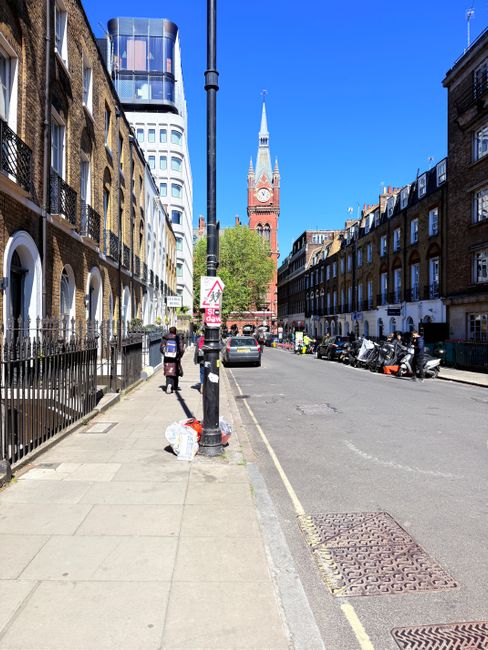






Insider tips for Chiswick High Road rubbish removal
Posted on 20/06/2026
If you have ever tried to clear rubbish from around Chiswick High Road, you will know it is not quite the same as shifting a bag or two from a quiet side street. There is more footfall, tighter timing, awkward parking, mixed-use buildings, and usually a fair bit more pressure to get things done without disrupting neighbours or customers. That is where the real insider tips for Chiswick High Road rubbish removal come in.
This guide is built for people who want the job done properly, without guesswork. Whether you are clearing household clutter, office waste, builders' debris, or a larger commercial load, the difference between a smooth collection and a stressful one often comes down to planning, sorting, access, and knowing what to ask before the van arrives. Let's face it, nobody wants to spend a whole afternoon dragging old stuff to the kerb while the traffic hums past.
Below, you will find practical advice, local considerations, a simple process, common mistakes, and a few hard-won shortcuts that make the whole thing easier. If you are looking for a broader overview of available help, it can also be useful to explore the site's services overview and the more detailed rubbish removal service in Chiswick before you book anything.

Why Insider tips for Chiswick High Road rubbish removal Matters
Chiswick High Road is busy, practical, and constantly moving. That makes rubbish removal a logistics task as much as a cleaning job. A collection that works perfectly in a suburban driveway can become awkward here if access is blocked, parking is limited, or waste is left out too early. The road has a mix of shops, flats, offices, cafes, and smaller businesses, so one-size-fits-all advice simply does not cut it.
Good planning matters because rubbish left in the wrong place can create obvious problems: cluttered pavements, safety hazards, complaints from neighbours, and extra handling time. It can also affect cost. If waste is poorly sorted, not ready to load, or placed far from the vehicle, you may end up paying for more labour than you expected. That is one of those annoying little details that is easy to miss until the end of the day.
There is also a sustainability angle. If items can be separated for reuse, recycling, or special handling, you are more likely to reduce what ends up as residual waste. For a lot of people in Chiswick, that is not just a nice extra. It is part of doing things properly. If you want to understand a provider's broader environmental approach, the page on recycling and sustainability is worth a look.
Practical takeaway: On Chiswick High Road, the best rubbish removal is rarely the fastest to organise at the last minute. It is the one that is planned around access, sorting, timing, and the type of waste involved.
How Insider tips for Chiswick High Road rubbish removal Works
In simple terms, rubbish removal works by matching the type and volume of waste with the right collection method. But the real trick is in the details. For a high-street location, you usually need to think about what the team can safely reach, how long loading will take, whether the waste is bagged or bulky, and whether any items need special care.
A typical process looks something like this:
- Identify the waste - Is it household clutter, office furniture, builder's debris, garden waste, or a mixed load?
- Estimate the volume - A few sacks, half a room, a full flat, or a renovation pile?
- Check access - Lift, stairs, loading bay, rear entry, parking restrictions, and distance from the collection point.
- Sort what can be separated - Recyclables, reusable items, general waste, and anything that needs careful handling.
- Book the right service - Some jobs are best handled as general rubbish removal, while others suit waste clearance in Chiswick, builders waste disposal, or a more specialised service.
- Prepare the site - Move items into one place if possible and make sure the route is clear.
- Collection and loading - The team loads, sorts, and removes the waste for appropriate disposal or recovery.
If you are dealing with a flat clearance, a commercial unit, or a larger domestic move-out, the method may feel different. For example, an office on the High Road may need a very early slot so desks, monitors, and packaging can be removed before staff arrive. A household job might be more flexible but still require careful lift access and time planning. You can see how these needs differ by looking at office clearance in Chiswick and house clearance in Chiswick.
Key Benefits and Practical Advantages
When rubbish removal is handled well, the benefits go beyond just having a cleaner space. That sounds obvious, but people often underestimate how much smoother the rest of the day becomes once the clutter is gone.
- Less disruption - A good plan keeps the process tidy and contained, which is especially useful on a busy road.
- Faster turnaround - Clear access and sorted waste reduce loading time.
- Better value - Efficient removal usually means less labour, fewer delays, and less wasted effort.
- Safer working space - Removing loose items, broken materials, and heavy clutter reduces trip risks.
- Cleaner presentation - Useful if you are preparing a property for sale, rent, repair, or reopening.
- More responsible disposal - Waste can often be separated more effectively when it has been pre-sorted.
There is also a psychological benefit that people do not talk about enough. Clearing a shop stockroom, a spare room, or a back office can make the whole place feel lighter. It is a small thing, but it changes how a space works. The same applies whether you are decluttering before an event, preparing for tradespeople, or simply trying to get your weekends back.
If your project is tied to a property move, development, or refurbishment, some useful background reading can be found in the local articles on navigating property deals in Chiswick and maximising returns on Chiswick real estate. Different topic, yes, but the same truth: presentation and timing matter more than people think.
Who This Is For and When It Makes Sense
Not every rubbish removal job needs the same approach. The insider tips here are especially useful if you fall into one of these groups:
- Homeowners and tenants clearing bulky household items, old furniture, or accumulated clutter.
- Landlords and letting agents preparing a property after a move-out or before new occupants arrive.
- Local businesses needing a quick and tidy clear-out without shutting down operations for long.
- Builders and contractors managing construction waste, packaging, plasterboard, timber, and mixed debris.
- Property managers dealing with periodic common-area clearances or unexpected left-behind items.
- People organising events or site changes where waste builds up quickly and space is tight.
It makes sense to book a professional collection when the rubbish is too bulky for normal council-style disposal, too time-consuming to sort yourself, or simply too much to move safely. A quick example: if you have a broken wardrobe, three bin bags of mixed clutter, some packaging, and a few awkward items in a first-floor flat, that is exactly the kind of job where a proper collection saves stress. Truth be told, it often saves your back too.
For readers exploring the wider local context, the site's Chiswick-focused articles like a resident's review of living in Chiswick and an introductory tour of this lovely London locale help explain why practical, well-timed service matters so much in the area.
Step-by-Step Guidance
If you want the smoothest possible result, follow a simple process rather than improvising on the day. This part is where most of the savings and time efficiency live.
1. Walk the space properly
Take a slow look at everything that needs removing. Do not just eyeball the obvious pile and hope the rest will magically vanish. Check cupboards, under desks, behind furniture, and any storage corners. On busy sites, the surprising stuff is often what causes the delay.
2. Separate what can be reused or recycled
Pull out anything that could be donated, reused, or recycled before the removal team arrives. Cardboard, clean metal, some wood, and select electrical items may need different handling. Even basic pre-sorting makes a noticeable difference.
3. Measure access, not just waste
Access is a major cost and timing factor. Ask yourself: is there lift access, is the stairwell narrow, can the vehicle get close enough, and where will loading happen? If the answer involves awkward kerbside waiting or a long carry, mention it early.
4. Photograph large or unusual items
A few clear photos can help avoid misunderstandings. That is especially useful for builder's waste, mixed bulky items, or anything oddly shaped. No drama, just clarity.
5. Choose the right collection window
In a place like Chiswick High Road, timing matters. Early morning or quieter slots are often easier for access and less disruptive for neighbours or customers. If your property sees heavy foot traffic, this one detail can make the whole job feel much calmer.
6. Clear the route before the team arrives
Move smaller items out of the way, unlock gates or doors, and make sure the route from the waste pile to the exit is safe. A clean path saves labour and reduces the chance of damage. Simple, but easy to forget.
7. Confirm what happens next
Before the job starts, make sure you understand what is being removed, how it will be handled, and what is excluded. If there are items you are unsure about, ask in advance. That is much better than a last-minute shuffle at the door.
Expert Tips for Better Results
This is where the insider part really matters. A few small habits can turn a messy, time-consuming clear-out into a far more efficient job.
- Stack waste by type, not by convenience. Put mixed rubbish in separate groups where possible. It helps with loading and sorting.
- Keep heavy items accessible. Do not bury a fridge, filing cabinet, or broken table behind light bags. Nobody enjoys playing waste Jenga.
- Use bags only where they make sense. Loose sharp debris, damp garden waste, and overfilled sacks can create handling problems.
- Leave a little buffer space. It is better to have a small gap around the pile than to cram everything tight against walls or exits.
- Tell the truth about the volume. Underestimating waste is one of the fastest ways to create stress, especially if you are working to a tight schedule.
- Protect floors and corners. If items need to be moved through a hallway, think about scuffs, mud, or drag marks.
One thing experienced people notice quickly: not all "rubbish" is the same. A pile of clean cardboard is very different from a mixed load with plaster, wood, packaging, and broken fittings. If you describe the job accurately, you get better planning and fewer surprises. That sounds basic, but it is the kind of basic that saves money.
Another useful habit is to plan around what the space needs after the removal, not just during it. If cleaners, decorators, or tradespeople are coming next, the waste should leave the site in a way that makes their work easier. Otherwise you are just moving problems around. And yes, we have all seen that happen.

Common Mistakes to Avoid
Most rubbish removal problems are avoidable. The tricky bit is that they are also predictable. Here are the common ones that show up again and again.
- Leaving everything until the last minute. This is the big one. It usually leads to rushed sorting and poor access.
- Forgetting about parking or loading restrictions. On a road like this, that can be a real issue.
- Mixing all waste together. It complicates handling and may reduce what can be recovered or recycled.
- Not warning about stairs, lifts, or security access. If the team does not know, the schedule can unravel quickly.
- Assuming every item can be taken the same way. Some waste needs special handling, and some items should never be dumped casually.
- Underestimating how much space the waste takes up. A small-looking pile can become a very large collection once it is loaded.
There is also a softer mistake: trying to make the job look "tidier" than it is. People hide awkward items in cupboards, move broken stuff out of sight, or say the pile is smaller than it actually is. That usually backfires. Better to be straightforward from the start.
If you are preparing a workplace or shop, do not forget customer flow. A back-of-house area may look harmless, but if waste bins, packaging, or furniture block a route, the impact can spread fast. You do not want a collection day to feel like a scene-change rehearsal gone wrong.
Tools, Resources and Recommendations
You do not need a van full of gadgets to handle rubbish removal well, but a few basic tools and habits help enormously.
- Strong sacks and boxes for light mixed items, paperwork, and small clear-out waste.
- Gloves for handling rough edges, dusty items, and old fittings.
- Mask or dust protection if you are moving through lofts, storage rooms, or renovation dust.
- Tape and labels for marking what stays, what goes, and what needs recycling.
- A basic tape measure to check bulky items, door widths, and stair turns.
- Phone photos to document large loads or unusual items before collection.
On the planning side, a simple note on your phone is often enough. Write down what the waste is, where it is located, how it will be accessed, and whether anyone else needs to know about the timing. Old-school? Maybe. Effective? Absolutely.
For people comparing services, the broader our services page can help you narrow down the right option, especially if your job is not standard household clutter. If you are dealing with a larger property or a complete reset of a room, the information on house clearance and office clearance can be especially useful.
Law, Compliance, Standards, or Best Practice
Rubbish removal in the UK sits inside a wider framework of care, duty, and responsible handling. You do not need to be a legal expert to do things properly, but you should understand the basics.
First, waste should be handled by a provider that operates responsibly and keeps disposal processes clear. If you are using a third party, it is sensible to ask how waste is managed, whether recycling is separated where possible, and whether the company has appropriate insurance and safe working practices. The page on insurance and safety gives helpful reassurance on that front.
Second, some materials need extra care. Electrical items, sharp debris, heavy construction waste, and mixed materials can all require different treatment. If you are unsure whether something is suitable for general removal, ask before the job begins. That is normal. In fact, it is the smart move.
Third, businesses should be especially careful with records and responsibility. If a commercial space is being cleared, it is wise to keep a note of what was removed, who handled it, and how the process was arranged. That is not just tidy admin; it helps demonstrate good practice if questions come up later.
Finally, for anyone handling waste on-site, safety should come first. Clear walkways, proper lifting, and avoiding overfilled sacks are not just nice-to-haves. They are the difference between a clean job and a bad back, or worse. Very unglamorous, but true.
Options, Methods, or Comparison Table
Different jobs call for different approaches. The best method depends on volume, access, waste type, and how quickly you need the space cleared.
| Method | Best for | Strengths | Limitations |
|---|---|---|---|
| DIY clear-out | Very small loads, light items, flexible timing | Low upfront cost, full control | Time-consuming, tiring, access and disposal can be awkward |
| Man-and-van style removal | Mixed domestic waste, bulky items, quicker turnarounds | Flexible, efficient, ideal for awkward access | Requires accurate description of the load |
| Full clearance service | Large homes, offices, multi-room clear-outs | Less stress, better for larger projects, handles more detail | More planning needed up front |
| Specialist builders waste disposal | Renovation debris, timber, plaster, mixed site waste | Designed for heavier, messier loads | Needs good sorting and accurate volume estimates |
If you are unsure which route to take, start by asking yourself one simple question: what matters more right now, lowest effort or lowest upfront spend? For tiny jobs, DIY can be fine. For anything bulky, mixed, or time-sensitive, a professional option is usually the calmer choice. Especially in a place like Chiswick High Road, where logistics can chew up the day if you let them.
Case Study or Real-World Example
Here is a realistic example based on the kind of job that comes up all the time on or near the High Road.
A small independent office is preparing for a refurb. The team has old desks, a stack of chairs, packaging from new fittings, a few damaged storage units, and mixed paper waste. At first glance, it looks like a one-hour clear-out. In reality, the access is through a narrow internal corridor, there is no easy front loading spot, and the work has to be done before 9 a.m. so the office can stay open.
What makes the difference?
- The waste is grouped before the team arrives.
- Bulky items are placed nearest the exit.
- The office confirms lift access and opening times in advance.
- One person is nominated to answer quick questions, so no time is lost hunting for approvals.
- Anything reusable or recyclable is separated early.
The result is not glamorous, but it is efficient. The load clears quickly, staff can start work on time, and there is no half-finished pile sitting around all afternoon. That is the real win. Not drama, just a clean handover.
This same approach works for a flat clearance, a shop stockroom, or even a post-event clean-up. If the site is busy and the waste is mixed, the people who plan just a little ahead usually get the smoothest day. Funny how that works.
Practical Checklist
Use this checklist before collection day. It is simple, but it catches most of the avoidable issues.
- Identify the type of waste clearly.
- Estimate how much needs removing.
- Check lift, stair, and parking access.
- Separate reusable, recyclable, and general waste where possible.
- Move items into one easy-to-reach area.
- Protect floors, corners, and tight hallways if needed.
- Photograph bulky or unusual items.
- Confirm timing and any access codes or entry instructions.
- Ask how any special items will be handled.
- Make sure the route to the exit is clear.
One last small thing: if a job feels more complicated than it should, pause and rethink the setup. Often it is not the waste itself that is the problem, but the way it has been left. A little rearranging can save a lot of faff.
Conclusion
The best insider tips for Chiswick High Road rubbish removal are not really secrets. They are habits: plan access properly, sort waste before the collection, be honest about volume, and choose the right service for the job. Do those few things well, and everything becomes easier. Less stress, less wasted time, fewer surprises.
That is especially true in a busy local setting where the road, the traffic, and the mix of properties all add their own little complications. With the right preparation, rubbish removal stops feeling like a headache and starts feeling like one of those satisfying jobs you are glad to have finished. Clean space, clear mind. Simple as that.
Get a free quote today and see how much you can save.
And if you are still weighing up the best route, take your time, ask the right questions, and choose the option that makes the day feel calmer, not louder. That usually turns out to be the best decision anyway.